






Scroll down for current highlights on the range of work and interests of featured faculty and students at VIU Master of Community Planning. For more information on VIU, its planning program, students & faculty, visit https://socialsciences.viu.ca/mcp.
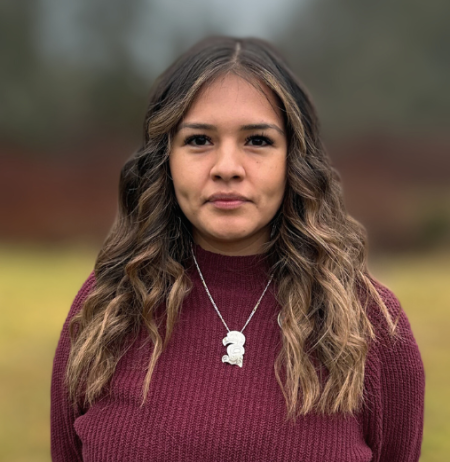
What makes you passionate about planning?
Planning is a way to re-surge, re-story, and re-shape by integrating healing, connection, and sustainability for both Indigenous and non-Indigenous communities, while honoring all our relations.
Tell us about a project you are working on and why it excites you.
I am working on an engagement framework that uplifts Indigenous voices and knowledge are meaningfully integrated into housing and development projects, which excites me because it creates space for community-led decision-making, strengthening self-determination, and continues to challenge conventional planning approaches, but centering relationships, protocols, and reciprocity.
What do you think the most important challenge will be for planners in the future?
The biggest challenge for future planners is balancing urban growth, climate adaptation, and reconciliation, while ensuring development honors Indigenous self-determination, ecological resilience, and advances equity, both directly and systemically, without compromising future generations.
After all, true process is not just about what we build, but how we choose to listen, learn and grow together.
Let’s move beyond the three-week online survey as an “engagement method” and breathe life into the land acknowledgement.
What are you most excited about at your planning school?
I am most excited about engaging with future planners and thought leaders who are eager to challenge conventional paradigms in order to meet the challenges of tomorrow.
Tell us about a place or plan that has been influential to you.
The traditional lands of Quw'utsun Mustimuhw (Cowichan people) hold deep histories, layered with resilience, teachings, and the ever-present relationship between people and place.
The story of Ts’uwxilum (hul’q’umi’num spelling of Tzouhalem) and the sacred mountain known as Pi’paam, Shquw’utsun (warming one’s back in the sun, and a name for Mount Tzouhalem), and later called "Mount Tzouhalem" reflects the complex story of resistance and survival.
As planners, we must acknowledge that these landscapes are not just locations but living histories, carrying the voices of our ancestors and the histories/stories of the land.
My commitment to planning is rooted in snuw’uy’ulh (our teachings), self-determination, and the responsibility to uphold the stories, names, and connections that shape our relationships with tumuhw (the land) and all our relations.
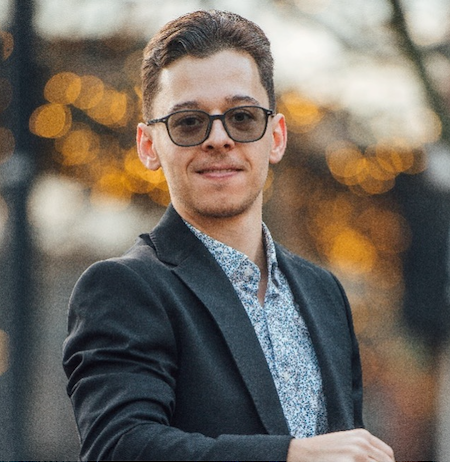
What makes you passionate about planning?
My passion for planning comes from my background in Architecture and my experience as a Plan Checking Technician at the City of Vancouver. While studying Architecture at BCIT, I developed a strong interest in the built environment, but it was in my role at the City that I saw how planning policies shape development. The planning department had a major impact on whether applications were approved or rejected, influencing the city at a larger scale. This inspired me to pursue community planning, where I can bridge design and policy to create more livable, well-planned communities.
Tell us about a project you are working on and why it excites you.
One project I’m currently working on is my thesis on housing affordability in Canada. With home rental prices and homeownership costs steadily rising, my research focuses on understanding the municipal policies that impact housing affordability and identifying practical actions cities can take to address this crisis. Through background research and interviews with planners, city officials, developers, and other stakeholders, I aim to develop a set of recommendations that municipalities can implement to help control housing costs. This project excites me because it directly addresses one of the most pressing urban challenges today, and I hope my findings can contribute to more effective housing policies in Canadian cities.
What do you think the most important challenge will be for planners in the future?
One of the most important challenges for future planners will be addressing housing affordability while balancing sustainable growth. Navigating the tension between development, community needs, and environmental responsibility will be crucial in shaping resilient and livable cities for the future.
What are you most excited about at your planning school?
I'm most excited about gaining a deeper understanding of how planning shapes communities and learning how to develop policies that create sustainable, livable cities. I'm also excited to collaborate with my classmates and learn as much as I can from my professors such as Mark Holland and Pam Shaw who have an insane amount of knowledge when it comes to development and Community Planning.
Tell us about a place or plan that has been influential to you.
A place that has been influential to me is Vancouver, particularly its approach to urban planning and development. Vancouver’s focus on high-density, mixed-use development, sustainable transportation, and livability has set a precedent for cities worldwide. Its successes and the challenges it continues to face has inspired me to pursue a career in planning.
